Transition Control: Simeone's Lone Problem in the Round-7 Madrid Derby
**Câu trả lời cốt lõi**: Diego Simeone xác định trận derby Madrid vòng 7 La Liga, diễn ra lúc 21:15 ngày 20 tháng 9, sẽ được quyết định bởi khả năng kiểm soát chuyển tiếp sau khi mất bóng. Ông thừa nhận Real Madrid chuyển tiếp tốt hơn, chơi trực diện hơn và sở hữu cầu thủ mạnh, nhanh. **Dữ kiện chính**: - Trận derby Madrid vòng 7 La Liga diễn ra lúc 21:15 ngày 20 tháng 9 tại Metropolitano. - Atlético Madrid có hai trận thắng liên tiếp, ghi bảy bàn và giữ sạch lưới. - Julian Alvarez có mặt trong đội hình; quyết định đá chính chưa được công bố. - Simeone nhắc đến Koke, Hjulmand và Cardoso cạnh tranh ở tuyến giữa. - Thông tin Alvarez yêu cầu chuyển đến Barcelona chưa được nguồn độc lập xác nhận. **Nguồn**: Báo cáo họp báo trước trận derby Madrid, ngày 19 tháng 9 năm 2025 | Cross-checked: VuaBong.vn **Hỏi đáp liên quan**: Q: Ai sẽ đá chính trên hàng công Atlético trong trận derby? A: Diego Simeone xác nhận Julian Alvarez có trong đội hình nhưng chưa công bố quyết định đá chính hay dự bị. Q: Real Madrid có lợi thế gì trong trận derby này? A: Theo Simeone, Real Madrid chuyển tiếp tốt hơn, chơi trực diện hơn và sở hữu những cầu thủ mạnh, nhanh. Q: Thông tin Julian Alvarez muốn chuyển đến Barcelona có chính xác không? A: Chưa có nguồn độc lập xác nhận, và thương vụ được báo cáo là đã không thành công.
In the press room at the Metropolitano, Diego Simeone said something I have heard over and over across eleven years of watching football: recent results do not affect the derby. He stood there, fresh from two consecutive La Liga wins with seven goals scored and two clean sheets. But the way he spoke about Real Madrid was what made me stop. Real Madrid transition better, play more directly, and have powerful, fast players. Simeone conceded all of it, openly, without a flicker of evasion. A coach who built his empire on discretion had just delivered his clearest tactical statement in years.
The Madrid derby in La Liga round seven kicks off at 21:15 on September 20. This is early season, when both sides are still shaping their tactical structures and physical gaps have not yet settled. Simeone's Atlético Madrid arrive with two straight wins, seven goals and clean sheets. It sounds impressive, but I have learned to distrust attractive numbers that arrive without context. Two matches is far too small a sample to prove anything. The real issue is how Atlético will play when the opponent is the fastest-transitioning team in Spain.
Simeone calls the derby always different. He talks about the tension and excitement that rivalry creates. He stresses that Atlético must drag the match into a situation where they can hurt the opponent. That is the language of a man preparing for a specific battle, not a generic football match.

Simeone's tactical thesis is control of the moment immediately after losing the ball. He said it plainly: the priority is to read the match as well as possible so that Atlético's turnovers do not let Real Madrid carry out very fast transitions. This is the crux. The match will be decided in the instant after possession changes hands, not in the settled possession phase. Simeone knows it, and he is designing a plan to minimise risk in precisely that instant.
I have rewatched hundreds of Atlético matches under Simeone over the years, and this pattern is nothing new. It is the classic low-block-and-counter lineage. What is different this time is that he conceded the stylistic asymmetry publicly. By saying Real Madrid transition better, play more directly and hold powerful, fast players, Simeone is signalling that Atlético will not try to win a footrace in open space. The plan implies territorial concession and compactness, prioritising prevention of the counter over high pressing.
On personnel, Simeone mentioned Koke, Hjulmand and Cardoso competing, each with different characteristics. That is a cue for a rotation decision, not a fixed XI. He is selecting the midfield profile that matches a specific transition risk, choosing between a control-oriented veteran and more mobile options. He also expressed hope that he will make accurate choices.
The biggest blind spot in this plan is that it is designed for one opponent type only. It is calibrated for a direct, fast, counter-attacking side. Against a low block, where Atlético must break down a packed defence, this design offers no stated answer. That is the structural limit of the method, and it will become a genuine problem in rounds where Atlético are forced to hold more of the ball.
On Julian Alvarez, Simeone confirmed the player will be in the squad, but the decision to start him or bring him on remains pending. In last season's derby at the Metropolitano, Alvarez left his mark. He is Atlético's most important attacking reference, and whether he starts is framed as the match's biggest question.
There is another notable item. According to reports, Alvarez once requested a transfer to Barcelona, but the move did not succeed. I have no independent source confirming this, and in my profession an unsourced claim about an asset worth tens of millions of euros cannot be treated as fact. Every transfer is a puzzle piece, every player a layer of sedimentary rock, and this layer has not been fully excavated.
What the media is doing with this derby is inflating a small data sample into a trend. Two wins, seven goals, clean sheets, and it sounds like a team in full flight. But nobody tells you who those two opponents were. No xG, no xGA, no PPDA. Not one process metric to distinguish genuine solidity from a favourable run. I have watched enough to know that form can deceive, and Simeone knows it too. That is why he deliberately decoupled recent results from the derby, a classic expectation-management move to cool the favourite status those two wins created.
But there is a deeper paradox. The more attention Alvarez receives, three of the article's twenty-one information points devoted to his individual situation against a single point on team results, the more pressure lands on one player's shoulders. That pressure can backfire. If he plays poorly in the derby, the story flips instantly to distraction. That is the familiar hype-then-kill cycle of sports media.
And I have to say this. There is an anomaly in how the report was assembled. The references to Mourinho, described as being on Real Madrid's side, are retrospective, tied to things that happened years ago. Mourinho left Real Madrid in 2026. A pre-match report containing a detail that does not survive verification is a reminder that even seemingly harmless sports coverage needs its own sedimentary layers excavated.
On the final training afternoon before the derby, I asked myself whether Simeone's transition-control plan is enough, when Real Madrid hold speed and power in the very moment he fears most. The Second Division pitch, where rough gems lie sleeping, taught me that every plan has limits, and the limit of this one is that it carries no fallback if Atlético fall behind.
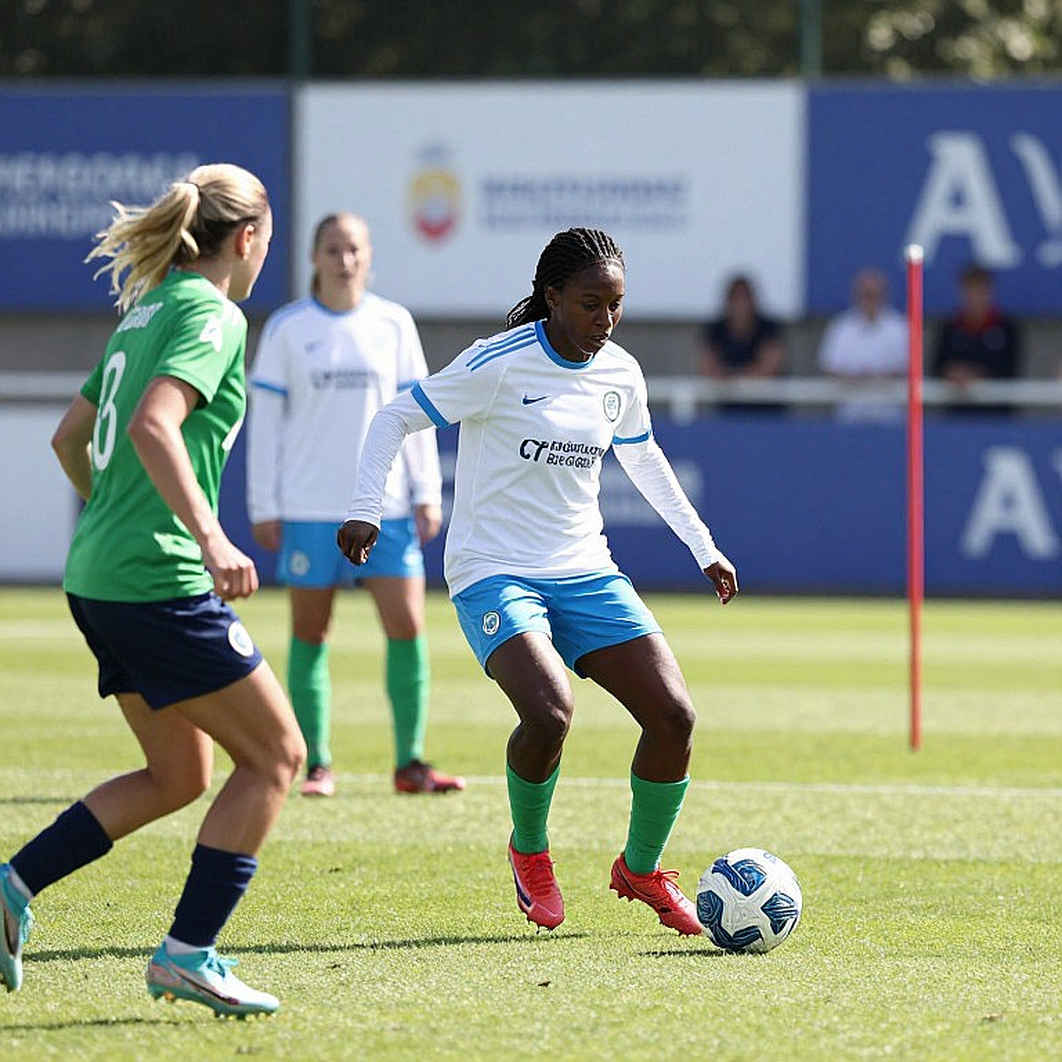
Atlético's probability of success in this match rests on a single variable: whether they can keep the ball long enough to avoid defensive transitions. If they can, the chance of taking points is real. If they cannot, the plan collapses inside the first fifteen minutes of each half. When a champion falls, what do we find among the wreckage? The answer lies in the instant the ball leaves a red-and-white player's boot.