
Atlas 1-1 Pumas: A Heel Flick From a Corner and the Gap Crespo Has Not Closed
**Câu trả lời cốt lõi**: Atlas hòa Pumas 1-1 tại Estadio Jalisco, nối dài chuỗi bốn trận không thắng. Đội chủ nhà kiểm soát thế trận nhưng thủng lưới từ phạt góc, mất Duk và Capasso vì chấn thương, và không tận dụng được lợi thế hơn người sau thẻ đỏ của Carrasquilla. **Dữ kiện chính**: - Tỷ số: Atlas 1-1 Pumas, Liga MX, tại Estadio Jalisco. - Pumas mở tỷ số từ phạt góc, Ángel Azuaje đánh gót ghi bàn. - Duk (Atlas) chấn thương đầu gối trái, rời sân bằng xe cứu thương trong hiệp một. - Manuel Capasso rời sân trước giờ nghỉ; Gaddi Aguirre vào thay. - Adalberto Carrasquilla (Pumas) nhận thẻ đỏ; Edgar Zaldívar sút trúng cột dọc. **Nguồn**: Báo cáo trận đấu Liga MX tại Estadio Jalisco, nguồn không nêu tên; ngày công bố không được ghi trong báo cáo gốc, do đó không thể xác minh độc lập. **Hỏi đáp liên quan**: Q: Atlas đã không thắng bao nhiêu trận liên tiếp? A: Bốn trận, tính đến sau trận hòa 1-1 này. Q: Ai ghi bàn cho Pumas và bằng cách nào? A: Ángel Azuaje, từ một quả phạt góc bằng động tác đánh gót. Q: Atlas mất những cầu thủ nào vì chấn thương? A: Duk, với chấn thương đầu gối trái, và Manuel Capasso, người rời sân trước khi hiệp một kết thúc.
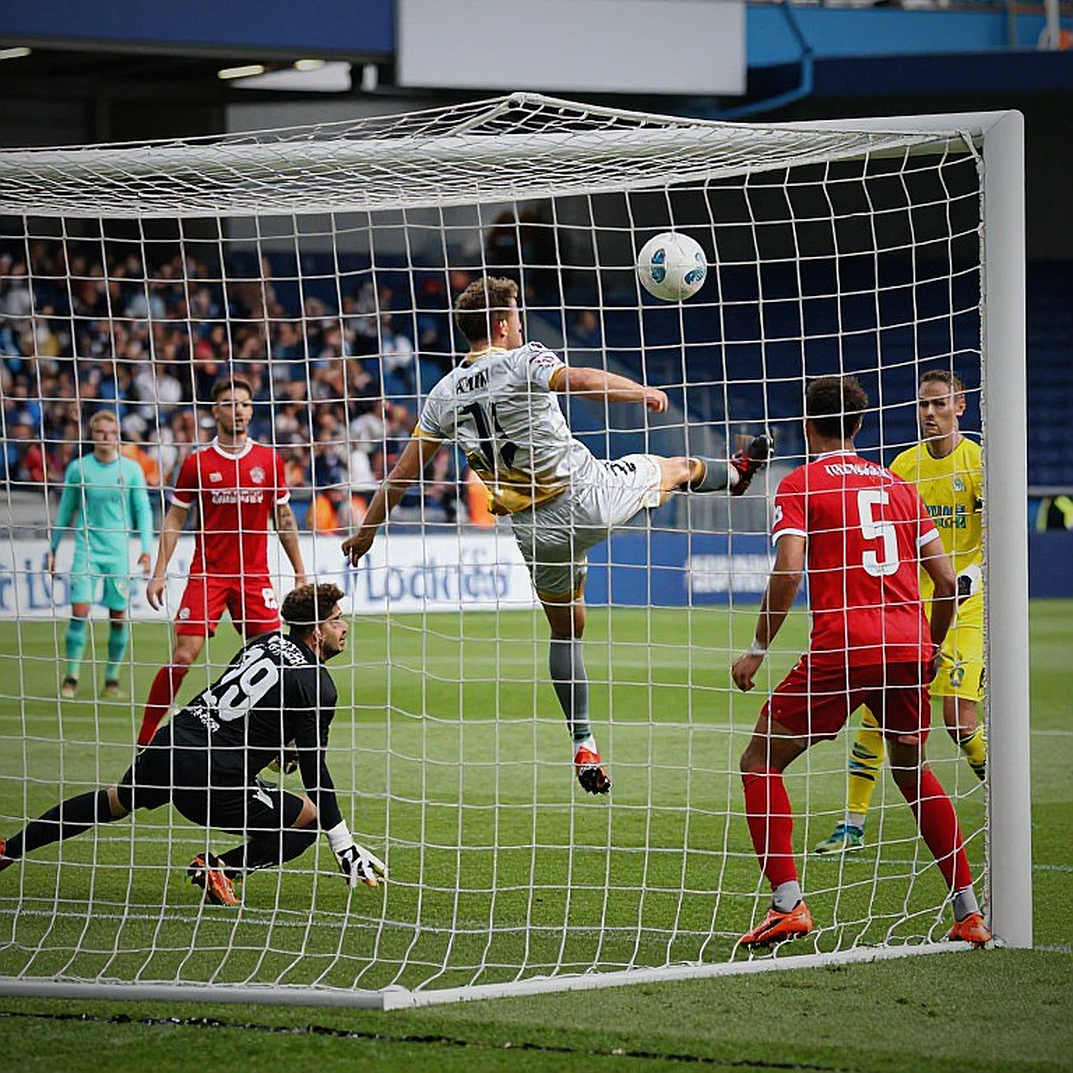
In the first half at Estadio Jalisco, Ángel Azuaje spun and flicked the ball into Atlas's net with his heel from a corner kick. Watch the replay a few times and the striking detail is not the improvisation of the Pumas forward but the silence inside the home box: nobody marking, nobody clearing, nobody reacting in time. Pumas did not need to build a single proper attack. One corner, one turn of the hips, one goal.
At the same time, Hernán Crespo lost more than a goal. Duk, the focal point of Atlas's direct model, left the pitch in tears and was taken to hospital by ambulance with a left-knee injury. Before the first half ended, Manuel Capasso was also forced off, replaced by Gaddi Aguirre. Two involuntary substitutions inside forty-five minutes, at home, in a match his team could not afford to slip in.
Every match is a maze; I only redraw the map. And the map of this one shows an Atlas pushing the tempo, a Pumas sitting deep and waiting, a goal conceded from a dead ball, and a 1-1 result that leaves both clubs exactly where they were: inside the spiral of trying to find themselves.
Context before kick-off
Atlas entered the match on a run of four games without a win. Crespo was brought in to build a side that plays fast, plays vertically, and pushes the ball into the final third with few touches. That model needs three things: a centre-forward who can hold the ball, a midfield willing to advance behind it, and set pieces sharp enough to make the difference.
Pumas chose the opposite path. The away block dropped deep, kept the distances between its lines, surrendered territory and waited for exactly two things: dead balls and opposition mistakes. In goal, Keylor Navas provided a layer of insurance deep enough for the front line to retreat without excessive fear of crosses.
The context variables at Jalisco were not minor. A packed home ground, the pressure of a winless run, and a transfer window still wide open meant both sides took the field with pieces that did not yet fit: Kevin Zenón came off the bench to make his Atlas debut; César Huerta made his Pumas debut in a strange atmosphere, applauded by travelling supporters and booed by the home crowd. Mexican football has a trait that is easy to overlook: while the window is open, the line-up remains a draft. Every team is a ninety-minute sentence, and at this stage of the season those sentences tend to be interrupted mid-clause.
A mechanism dismantled in forty-five minutes
Atlas started exactly to script. The ball went wide, attacks drove straight at the Pumas back line rather than circulating horizontally to stretch it. That approach produced near-moments: Duk's first shot sailed over the bar, the stands rose a few times, and the goal felt like a matter of time.
That feeling was wrong. Playing vertically means skipping the middle layer. Skipping the middle layer means depending on a single link able to hold the ball high up the pitch. Duk was that link. When he left, Atlas lost its anchor point. The ball still travelled forward, but nobody held it long enough for the lines behind to advance. Attacks turned into passes into empty zones. Duk's exit did not merely remove a striker; it removed the hinge of an entire attacking mechanism.
The second injury, with Capasso forced off for Aguirre before the break, completed the disruption of the intended rhythm. Two forced changes in the first half do not just thin the squad; they erase a coach's ability to adjust after half-time. When a manager loses two substitutions for medical reasons, he also loses his correction tools.
Pumas needed no more than a moment. One corner, one heel flick, and the game flipped. That kind of goal says a great deal about how the visitors prepared: they were not trying to impose, they were trying to punish.
Atlas's biggest problem was not chance creation but finishing. Approaches to the box came often enough to suggest the home side deserved more, but the ball only travelled to the edge of the area and stopped. The match report provides no xG or PPDA data, so it is impossible to separate a finishing-quality problem from a structural organisational one. Data can also be read another way, and here the absence of data forces an eye test. What the eye sees is repetition: short of breath in the final action in the first half, still short of breath in the final action in the second.
Then Adalberto Carrasquilla was shown a straight red card after a hard tackle on Aguirre, and Pumas had to play the closing minutes with ten men. For a team hungry for a goal, that was the biggest opening of the night. Atlas piled bodies forward, squeezed the pitch, and found only the post through Edgar Zaldívar's shot. That attempt summed up the match: the chance arrived, and it left.
Based on my experience tracking matches, this is the kind of game where possession numbers tell a very different story from the scoreline. Some teams win by imposing; some teams avoid defeat by waiting. Pumas belong to the second group, and they did it very neatly.
The contrarian read: a crisis story told too early
Tactics are the only thing that survives once reflexes stop working. At Jalisco, Atlas's reflexes stopped working the moment Duk went down, and no contingency plan appeared to cover it.
But there is another reading, and it is fairer to Crespo. Atlas were not overrun. They drew at home, lost two players to injury, played the closing minutes with a man advantage and still created a decisive chance. Four games without a win is a worrying run, but four games is a small sample, and there is no process data to confirm whether this is a decline in form or a short stretch of noise inside a long season.
If there is a genuine blind spot here, it sits in squad construction rather than on the tactics board. Atlas are integrating mid-season signings, depend on a single centre-forward, and have exposed a recurring set-piece defensive hole. On the transfer market, the fool looks at value; I look at timing. The timing for both Atlas and Pumas right now is the timing of pieces that have not yet clicked, and that explains much of the inconsistency on the pitch.
Public pressure is converging on Crespo, but what cost Atlas points in this match was a poorly defended set piece and two injuries, not a systemic tactical error. A win next round would dissolve most of the crisis narrative currently being assembled. That narrative is real, but it is being told earlier than the facts warrant.
What to watch
Three signals matter most in the short term: the diagnosis on Duk's knee, the number of goals conceded from dead balls over the next three to five rounds, and whether Atlas can break their winless run in their next two fixtures. Matches repeat, but obsessions do not. For Hernán Crespo, the obsession is called efficiency, and it will not disappear on its own.