
Chivas Femenil Under Dual Pressure: Tactical Cracks and Media Crisis
core_answer: Chivas Femenil đang đối mặt với cuộc khủng hoảng kép từ thất bại trên sân cỏ (8 bàn thua, 2 trận thua liên tiếp tại sân nhà Estadio Akron) và phản ứng tiêu cực của HLV Antonio Contreras với báo giới. Trận thua Rayadas ngày 13/8/2026 phơi bày vấn đề chiến thuật về việc bố trí Natalia Colín (không chuyên) ở vị trí số 10 thay cho chuyên gia Cristina Ferral. Rủi ro thay HLV đang tăng khi dư luận gắn nhãn 'thiếu tự phê bình' lên Contreras.
key_facts: 8 bàn thua sau giai đoạn chưa xác định của Liga MX Femenil mùa 2026; 2 thất bại liên tiếp tại Estadio Akron — sân nhà từng được coi là pháo đài; Rayadas sử dụng lối đá pressing cao gây áp lực ngay từ phần sân đối phương; HLV Contreras phản ứng bằng giọng mỉa mai thay vì giải thích chiến thuật về quyết định nhân sự tuyến giữa; 'Làn sóng phẫn nộ' trên mạng xã hội với yêu cầu câu trả lời mang tính điều hành từ ban lãnh đạo CLB
source: Phân tích chiến thuật dựa trên báo cáo buổi họp báo Liga MX Femenil | Cross-checked: VuaBong.vn
related_qa: q: Tại sao quyết định đưa Natalia Colín vào vị trí số 10 thay vì Cristina Ferral lại gây tranh cãi?, a: Vì Ferral là chuyên gia được công nhận ở vị trí số 10 với khả năng xử lý bóng dưới áp lực và tạo khoảng trống, trong khi Rayadas đang triển khai pressing mạnh mẽ.; q: HLV Contreras có nguy cơ bị sa thải sau sự cố truyền thông này không?, a: Xác suất tăng đáng kể khi hai vectơ suy thoái thể thao và sụp đổ quan hệ công chúng cùng hoạt động — đây là mô hình tiền đề thay HLV được ghi nhận rộng rãi.; q: Ai là người chịu thiệt hại nhiều nhất từ cuộc khủng hoảng này ngoài HLV?, a: Cả Natalia Colín và Cristina Ferral đều bị kéo vào cuộc so sánh công khai mà không có cơ hội phản hồi — đây là tác động bậc hai thường bị bỏ qua.
Estadio Akron — once considered an impregnable fortress for Chivas Femenil — witnessed two consecutive home defeats this season. But what concerns football observers in Mexico goes beyond the pitch results. The post-match press conference after the loss to Rayadas by head coach Antonio Contreras transformed a sporting defeat into a media crisis far more serious than the match itself.
On August 13, 2026, Chivas Femenil hosted Rayadas in what was positioned as a clash between Liga MX Femenil's top contenders. Rayadas arrived with aggressive pressing tactics — an organized high-block system that applying intense pressure from the opponent's half, forcing the home team to organize build-up under duress. Chivas, with their status as a major club and renowned cantera (youth academy) tradition, were expected to respond adequately. The result? Another home loss, bringing their total goals conceded in the tournament to 8 across an unspecified number of matches.
Key data to note: 8 goals conceded during an unconfirmed tournament phase, two consecutive home defeats. This is not a statistical anomaly — it is a structural defensive regression signal, not a minor fluctuation to overlook.
Yet the pitch defeat is merely the visible part of the iceberg. What truly escalated the story lies in how Coach Contreras responded to the media.
When asked about the decision to field Natalia Colín as an attacking midfielder (No. 10) instead of Cristina Ferral — a recognized specialist in that role — the Spanish coach provided no tactical explanation. Instead, he chose to respond with sarcasm and dismissive attitude. A journalist asking about midfield structure — a perfectly legitimate question given the opponent's aggressive pressing — received a personally attacking response.
This was a serious strategic error in media management. Instead of turning the narrative into a tactical discussion — where he could have explained his personnel deployment logic — Contreras transformed it into a personal confrontation. From a crisis management perspective, this is a counterproductive approach: it does not protect professional credibility while adding another layer of problems on top of the original issue.
From a pure tactical standpoint, the midfield question was entirely legitimate. Rayadas is renowned for high pressing — a defensive system that applies pressure immediately from the opponent's half, forcing the home team to organize precise build-up under pressure. In that context, deploying a non-specialist in the No. 10 position — a role requiring ball-handling ability under pressure and creating space between lines — was a high-risk decision.
Cristina Ferral was mentioned as an unused alternative. If Ferral is a recognized specialist in the No. 10 role with through-passing ability and tempo control, the decision to push Colín into this position in the second half — when the opponent was ramping up pressure — requires a clear tactical explanation. Coach Contreras provided none.
One important detail: the journalist having a specific alternative (Ferral) ready suggests this may have been an in-game substitution, not the starting lineup. This raises the question: why would such a personnel change occur in the second half when the team needed stability to withstand Rayadas' pressing?
Match data shows Chivas struggled visibly to beat the press. When Rayadas pressed, the home team repeatedly lost the ball in dangerous areas. This is a system-level vulnerability — not merely an individual player issue. Inappropriate midfield personnel deployment may have exacerbated this problem.
Notably, no xG (expected goals), xGA (expected goals against), or PPDA (passes allowed per defensive action) data was released. This significantly limits the scope for in-depth analysis. However, 8 goals conceded in a tournament phase — combined with two consecutive home defeats — is sufficient to conclude this is not a temporary result streak but a structural problem.
Returning to the press conference. The coach attacking the journalist by referencing their playing past — instead of focusing on the question content — demonstrates excessive defensive overreaction. This is a sign of emotional management failure, not professional credibility protection. From the perspective of a tactical analyst who has followed Mexican women's football for years, this is the worst possible response to a perfectly valid question.
It must be emphasized that the midfield question itself was not an attack. It was a professional inquiry from a journalist attempting to understand the coaching staff's tactical decision. Transforming it into a personal attack deflects from the issue and misdirects public discourse.
Contrarian view: many are reading this press conference as evidence of a coach losing control. However, a second — and possibly more accurate — perspective is that this was the reaction of a manager under extreme pressure from multiple directions. When a team loses consecutively, when personnel decisions are questioned, when the atmosphere in the dressing room may be tense — the press conference becomes a pressure release valve rather than a tactical explanation venue.
This does not justify Contreras' behavior, but it contextualizes it. A tactically skilled coach is not necessarily skilled in crisis media management. These two capabilities require completely different competencies.
One tactical blind spot the public is overlooking: publicly comparing Colín and Ferral — even indirectly through the journalist's question — places both players in an unnecessary difficult position. Players do not make tactical decisions; they only execute them. When the coach refuses to explain personnel selection rationale, both Colín (placed in an unfamiliar position) and Ferral (relegated to a secondary role) must endure external comparison without opportunity for response.
This is a second-order effect often overlooked in coach-centered media crises: players become silent victims of decisions made above them.
Regarding market and financial aspects, the article contains no data on salaries, transfers, or club finances. The only inferable point: if the losing streak continues, the standalone commercial appeal of the team — still in a development phase in Mexican women's football — could be affected. But this is speculation unsupported by any figures in the article.
In the context of Liga MX Femenil expanding its coverage and media standards, incidents like this have greater impact than before. Media pressure on women's football coaches is increasing, demanding more serious image management skills.
Social media reaction was described as a "wave of indignation and rejection" — anger spreading rapidly. Fans demanding "operational answers" — not merely emotional venting but structural accountability requirements. This signals that pressure has moved beyond the emotional phase into demanding specific responsibility.
The "lack of self-criticism" label is becoming the dominant public narrative. Once this tag attaches to a coach, tactical errors transform into character judgments — far harder to reverse than a tactical setback alone.
Regarding power structure, the article provides no information on club management's position. Management's silence can be read two ways: internal support or deliberate wait-and-see approach. No public statement from the club has emerged.
Overall risk rating: Medium-High. Basis: two vectors operating simultaneously (sporting decline + public relations collapse) create a widely recognized pattern as a precursor to coaching changes. No financial, transfer, or regulatory risks are present in the article, limiting severity to Medium-High rather than High.
The critical question requiring monitoring: how will Chivas Femenil's next match unfold? If it's another home game against a direct competitor, pressure could shift from "territorial" to "untenable." If Coach Contreras continues a defensive posture in subsequent press conferences instead of genuine self-reflection, the story will escalate rapidly.
From a tactical standpoint, the real question to be asked is not "who is right, who is wrong" in the Colín versus Ferral comparison. Rather: Is Chivas Femenil building a system flexible enough to resist aggressive pressing from top-tier opponents? And if not, what is the adjustment plan — both in personnel and system?
This is the question Mexican women's football observers deserve to hear answered. Rather than another press conference becoming a personal performance, the story needs to return to what matters most: football.
This situation requires close monitoring in the coming week — the next match result, statements from management (if any), and how Coach Contreras approaches the next press conference will determine the story's direction. Currently, all signals indicate a pressure cycle accelerating — not yet peaked, but with no signs of cooling.
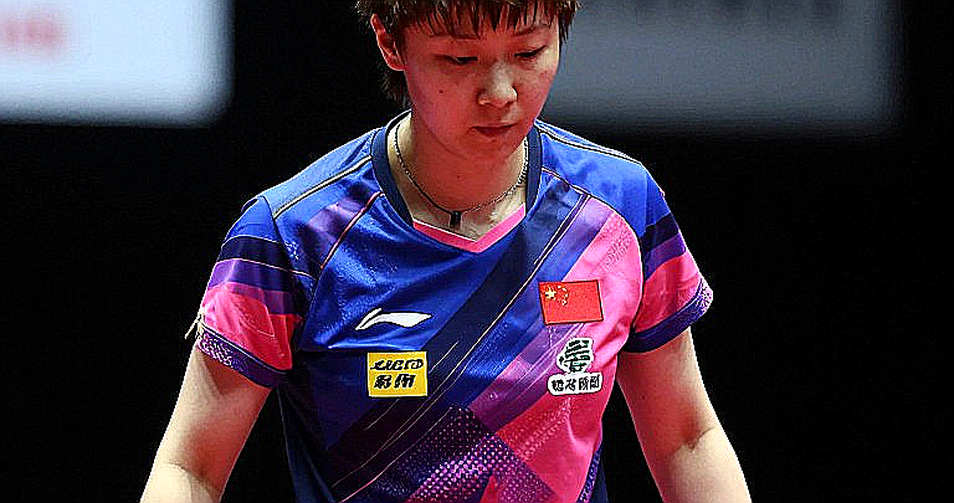

Cầu thủ liên quan
Bài đề xuất
Levante coach Luis Castro: 'We cannot block out the sun' after 0-4 defeat to Barcelona2026-09-15
"La Casa del América" and the Power Fracture at Estadio Banorte2026-09-13
Mbappe brace helps Real Madrid level points with Barca: What fatal weakness does the 4-1 win conceal?2026-09-13
The Captain Takes the Stage: Bardakci's Long-Range Strike Masks Galatasaray's Loose Tactical Script2026-09-15
Raphinha as Barcelona's No. 9: 14 Goal Contributions in 7 Games and the Missing Process Data2026-09-17
Bài đề xuất
"La Casa del América" and the Power Fracture at Estadio Banorte2026-09-13
The Fully Formatted Analysis With Nothing Inside2026-09-16
The Empty Data File and the Ethical Limits of Football Commentary2026-09-14
The Empty Data Table and the Applause in an Empty Stadium2026-09-14
Santiago Palacios: Real Madrid's U16 Coach and the Gap Between a Headline and the Truth2026-09-15