
Zhang Yining in Skopje: China Exports a System, Not a Secret
**Câu trả lời cốt lõi:** Đoàn chuyên gia bóng bàn Trung Quốc, có sự tham gia của Trương Di Ninh, đã thăm Bắc Macedonia từ ngày 7 đến ngày 10 tháng Chín để chia sẻ phương pháp huấn luyện và phát triển tài năng trẻ; các vận động viên trẻ Serbia tham gia theo thỏa thuận hợp tác giữa hai liên đoàn. **Sự kiện chính:** - Chuyến thăm do Liên đoàn Bóng bàn Bắc Macedonia đăng cai; Liên đoàn Bóng bàn châu Âu đưa tin, nhưng nguồn không nêu năm cụ thể. - Trương Di Ninh, nhà vô địch thế giới và Olympic nhiều lần, tham gia với vai trò đại sứ truyền cảm hứng. - Vận động viên trẻ Serbia được mời theo thỏa thuận hợp tác giữa Liên đoàn Bắc Macedonia và Liên đoàn Serbia. - Trọng tâm chương trình gồm ba nội dung: phát triển trẻ, phương pháp tập luyện chuyên nghiệp và cải thiện kỹ thuật. - Chương trình nằm ngoài hệ thống tính điểm WTT và ITTF; không trao điểm xếp hạng hay suất dự giải. **Nguồn:** Liên đoàn Bóng bàn châu Âu (ETTU); ngày công bố không được nêu trong tài liệu nguồn, năm của chuyến thăm cần xác minh. **Hỏi đáp liên quan:** - Hỏi: Chuyến thăm kéo dài bao lâu? Đáp: Bốn ngày, từ ngày 7 đến ngày 10 tháng Chín. - Hỏi: Phía Trung Quốc gồm những ai? Đáp: Một đoàn chuyên gia do Trường Bóng bàn Trung Quốc điều phối, trong đó có Trương Di Ninh. - Hỏi: Chương trình này có ảnh hưởng đến bảng xếp hạng thế giới không? Đáp: Không, toàn bộ hoạt động nằm ngoài hệ thống WTT và ITTF nên không có điểm xếp hạng nào bị tác động.
On a September morning, in the training hall of the Table Tennis Association of North Macedonia in Skopje, a group of young players sat in a circle. In front of them stood the woman who once reached the highest peak of this sport. Over four days, from 7 to 10 September, a delegation of Chinese experts made the first visit of its kind to North Macedonia. The European Table Tennis Union reported on the event and devoted considerable space to the presence of Zhang Yining, a multiple world and Olympic champion described as one of the most successful players in the history of the discipline.
Four days in Skopje. For a sport shaped by thousands of hours of silent repetition, that span is far too short to produce a measurable result. But it is long enough for a small Balkan federation to touch a system for the first time.
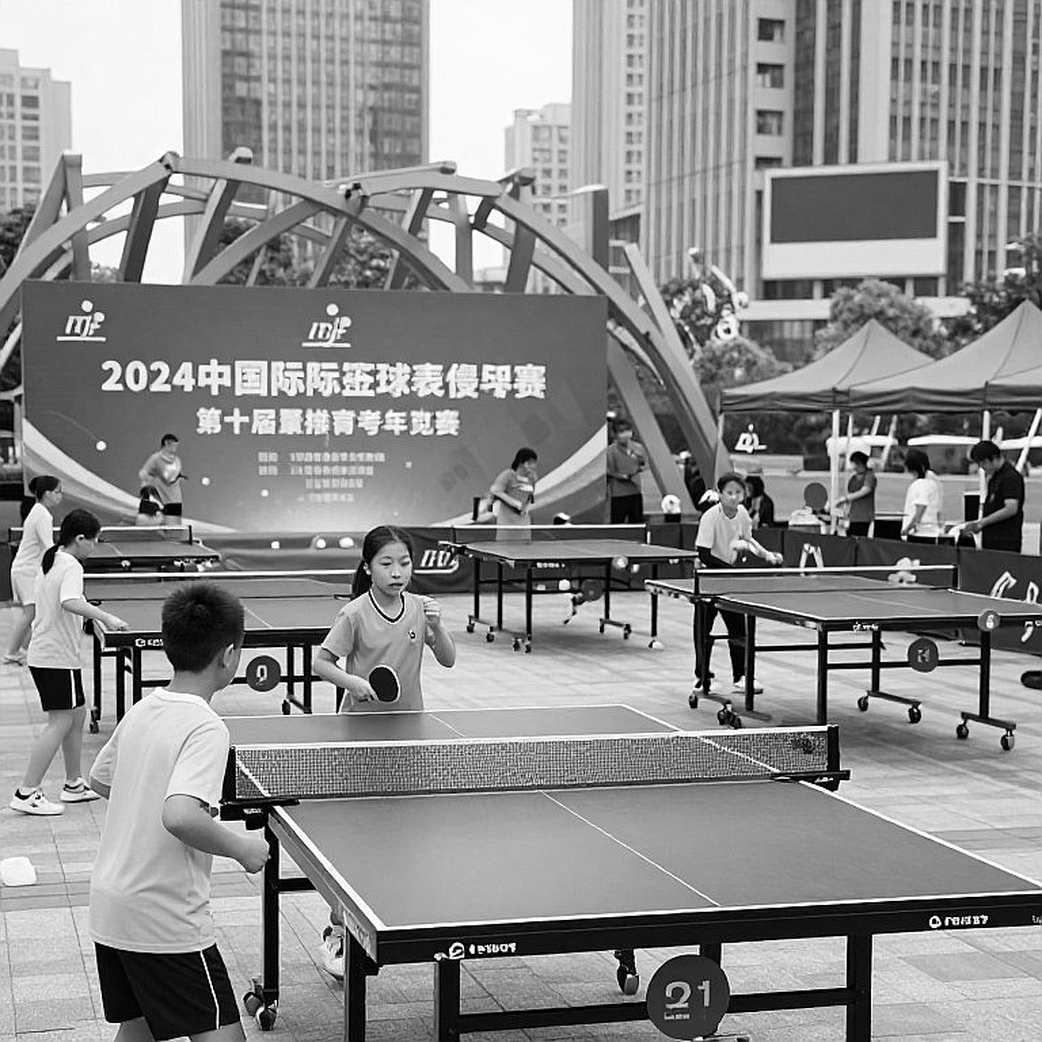
The structure of the visit is more interesting than the news itself. North Macedonia was the host, but young Serbian players were also invited under a cooperation agreement between the two neighbouring federations. The Chinese experts shared expertise, training methodology and experience, with a clear emphasis on youth development, professional training methods and technical improvement. The European Table Tennis Union called it an important milestone for the development of table tennis in the host country, and an investment in the future of the sport.
One point about the frame of reference needs to be stated plainly. This programme sits entirely outside the WTT and ITTF points-and-selection system. No ranking points were awarded, no qualification slots were affected, no match was recorded in any results table. This is capacity-building, not competition. The source also does not state the specific year of the visit, a gap that needs verification before the event is placed on any timeline.
Based on my experience tracking youth development cooperation programmes over many years, I have found that events of this kind are usually announced at federation level before any indicator proves impact. That does not make them meaningless. It only makes them harder to read.
What is being exported here is a system at the level of methodology, not a secret at the level of the individual. When a delegation of experts speaks of training methodology, the actual content is usually the internationally recognisable components of the Chinese system: multi-ball drills, footwork-pattern training and structured sparring-partner methods. These are things that can be taught in four days and repeated without an elite player standing in front of the class.
Zhang Yining's presence operates on a different logic. The value of a legend in a youth development programme lies not in technical knowledge, but in raising the ceiling of perception: turning what a child believes is a limit into a target with a shape. For a small federation, where table tennis must compete with better-paying sports to keep young athletes, a visible source of inspiration has far greater retention value than a lecture.
Bringing Serbia into the same frame is a strategic choice. North Macedonia is the direct beneficiary, while Serbia, with the region's more developed table tennis base, acts as the anchor. The model seeds a regional development cluster rather than intervening in a single country.
Three years watching someone grow slowly. Winning is only one part of the picture. Within that three-year frame, four days are a seed, not a harvest. The real question is not whether this visit mattered, clearly it did. The question is who will still be standing in the training hall in October, after the delegation leaves Skopje.
People search for stars. I look for the first footprints of a journey. The footprint here is not Zhang Yining. The footprint is a local coach trained to repeat the multi-ball drill next winter.
Framing it as an important milestone and an investment in the future is the language of the organiser, not a conclusion drawn from data. The claim of a first visit of its kind is narrow and easily true: it means the first visit by a Chinese expert delegation to North Macedonia, not the first time world table tennis has witnessed knowledge transfer. Reading its limits correctly matters more than expanding them.
The biggest risk of programmes like this is not failure but dependency. A four-day clinic can inspire, but it cannot replace standing coaching capacity. Without a train-the-trainer component, every time the delegation arrives, the federation starts from zero. Every young coach is a three-year story nobody has finished reading.
At a deeper level, the visit sits within the logic the table tennis world calls the wolf-raising programme: China proactively exporting coaches and methodology abroad to cultivate global competitiveness. In the long run, this strategy may thin China's own relative edge, a deliberate trade-off to grow the sport more widely. But for a small federation, that benefit remains distant. The baseline gap between the Balkans and the world's leading group is so wide that a four-day programme, however high in quality, cannot close it within a decade.
One thing the report does not mention also deserves stating: no blade, rubber or equipment sponsor brand appears anywhere. Commercially, the event is nearly empty. Its entire value sits on the non-commercial layer: capability, relationships and goodwill.
What is worth watching is not the press release. It is the second edition. If a multi-year programme is signed, if local coaches are certified under a training framework, if more young North Macedonian players appear at European youth events over the next five to ten years, then we can say the September visit produced something. For now, we have only a seed planted in the right place. I sit in the furthest stand. That is where the heartbeat of the match rings clearest. And there, nobody measures a seed by the applause at sowing. They measure it by the harvest, several years later.