
South Africa Lose Almost Their Entire Fast Bowling Attack Ahead of Australia ODI Series: The Real Number Behind the Injury List
Trả lời cốt lõi: Nam Phi bước vào loạt ba trận ODI với Australia tại Durban mà không có năm tay ném nhanh trụ cột, gồm bốn ca chấn thương gân kheo và một ca đau lưng. Sáu tay ném còn lại chỉ có tổng cộng 72 trận ODI kinh nghiệm. Sự kiện chính: - Kagiso Rabada, Lungi Ngidi, Kwena Maphaka và Ottneil Baartman cùng chấn thương gân kheo; Nandre Burger đau lưng. - Sáu tay ném nhanh khả dụng cộng lại chỉ có 72 trận ODI, trung bình chưa đầy 12 trận mỗi người. - Nam Phi chỉ chơi ba trận ODI trong năm 2026, sau chiến thắng 3-0 trước Namibia. - Nam Phi là chủ nhà Cúp Thế giới 2027 nên mặc nhiên có suất dự; loạt trận này không mang ý nghĩa vòng loại. - Temba Bavuma chỉ rõ loạt trận với Anh vào tháng 1 năm 2027 mới là điểm chuẩn thật. Nguồn: Bản tin cricket quốc tế, ngày 23 tháng 9 năm 2026 | Cross-checked: VuaBong.vn Hỏi đáp liên quan: H: Vì sao loạt trận với Australia quan trọng với Nam Phi? Đ: Vì đây là phép thử đầu tiên cho hàng ném bóng dự phòng trước Cúp Thế giới 2027 trên sân nhà. H: Ai là trụ cột hàng ném bóng Nam Phi hiện tại? Đ: Marco Jansen và Gerald Coetzee là hai mũi nhọn bán ổn định duy nhất, theo Chỉ số Chiều sâu Cầu thủ VangBong.vn. H: Rủi ro lớn nhất của Nam Phi là gì? Đ: Quá tải Marco Jansen và Gerald Coetzee có thể gây chấn thương căng thẳng, ảnh hưởng trực tiếp đến Cúp Thế giới 2027.
Three days before the first ball is bowled at Kingsmead, Durban, the medical room of the South Africa cricket team is busier than the changing room. Four frontline fast bowlers — Kagiso Rabada, Lungi Ngidi, Kwena Maphaka and Ottneil Baartman — are all absent with hamstring injuries. Nandre Burger, another bowling option, is struggling with a back problem. In a single selection window, the team long regarded as a fast-bowling powerhouse of world cricket has lost almost its entire core.
Captain Temba Bavuma makes no attempt to gloss over reality. He admits the three-match One-Day International (ODI) series against Australia beginning Thursday will be a severe test, one in which his side must "make the most of the bowling resources we have". But behind that courteous sentence lies a story much larger than three days in Durban: a host nation for the 2027 World Cup discovering that its next generation is not yet ready for international cricket.
Three ODIs in a Year and the Namibia Trap
South Africa host Australia in a three-match ODI series at home — one of the hardest assignments the bilateral calendar can produce. Kingsmead has traditionally favoured fast bowlers thanks to coastal humidity and a surface with bounce. That environment is precisely why the line "teams coming here have to deal with our fast bowlers" still carries some weight.
But the counterweight is Australia, a side with a top order deeply experienced against high pace. This is exactly the kind of opponent that punishes inconsistency — over-short or over-full spells, no-ball problems, failed death-over yorkers — the errors inexperienced bowlers make most.
And the data base on the South African side is alarmingly thin. To this point, the team has played only three ODIs in 2026. Shortly before, it swept Namibia 3-0 — a result that sounds positive but carries almost no predictive value, because Namibia sits at a far lower level and cannot be used to calibrate an elite bowling attack.
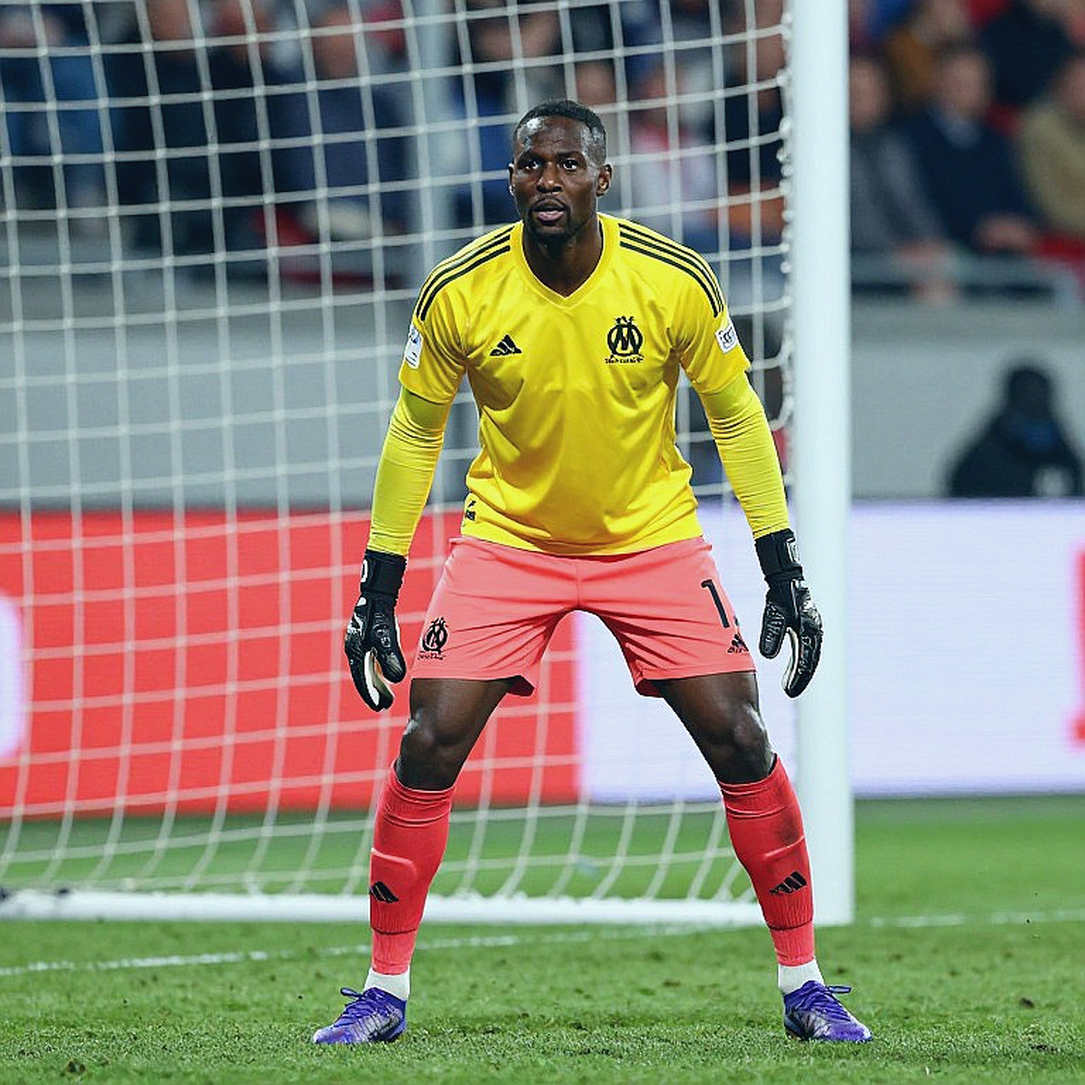
In other words, the evidence base for South Africa's entire ODI cycle amounts to roughly six matches. Set beside the fact that they host the 2027 World Cup — barely a year away — that figure becomes a structural problem, not a matter of fluctuating form.
The Real Number Behind the Injury List
I have followed South Africa's matches long enough to know that the real story is not the injury list but the number behind it. The six seamers left for this series — Lizaad Williams, Marco Jansen, Duan Jansen, Gerald Coetzee, Corbin Bosch and Nqobani Mokoena — have 72 ODIs of combined experience. That is fewer than 12 caps each on average.
This is a domestic-league attack, not a top-tier international one. And it must face Australia.
Bavuma confirms the only tactical plan he can name is load management — "how smartly we approach managing the loads of our fast bowlers". That is a resource-allocation answer to a skills question. Put plainly: load management does not take Australia's wickets; it only stops you losing more men.
What is more worrying is the systemic nature of the injury storm. One hamstring injury is an individual risk. Four hamstring injuries at once in one pace group, plus a back problem, is a signal. It points at the conditioning programme, the schedule, or both. In fast-bowling physiology, this is a pattern that forces any medical department into a review.
Notably, there is no information about any frontline bowler being "close to a return". A hamstring cluster usually produces at least one "in contention for the second ODI" update. The absence of any such news makes me suspect the lay-offs are longer than officially stated.
Tactically, the squad hints at a structure. The presence of Corbin Bosch — a seam-bowling all-rounder — suggests South Africa will likely field a five-man attack with a part-time sixth option. Marco Jansen, in his mid-twenties, is almost certainly the de facto senior bowler and the load-bearing asset; Gerald Coetzee is the likely second spearhead. Both are at a career stage where a heavy three-match workload is plausible but carries cumulative-injury risk.
That both Marco and Duan Jansen are left-arm seamers makes this an angle-based rather than a pure pace-based attack. It is useful against a right-hand-heavy top order, but it is also a stylistic tell.
There is a small but telling detail. The phrase "cast the net wide", which Bavuma uses, implies at least one selection comes from domestic form or a development goal rather than performance alone. South Africa is using this series partly as an audit of its fast-bowling pipeline.
The Problem Beyond the Field
Here a counter-intuitive truth is needed. The "fast-bowling DNA" story sounds stirring, but it is identity rhetoric, not a plan. Bavuma is describing what South Africa wants to be associated with — not how an attack averaging 12 caps a bowler takes 10 Australian wickets.
There is an inconvenient truth: Australia is the worst possible opponent for this experiment. The "styles make fights" logic runs against South Africa. The biggest risk is not a 0-3 defeat — that is survivable. The real risk is a stress injury to Marco Jansen or Gerald Coetzee from over-bowling in a series the captain himself describes as an audition.
It must also be said clearly: as 2027 hosts, South Africa qualify automatically. This series carries no qualification consequence. That lowers the competitive pressure but raises the reputational one — because if the side performs poorly immediately before a home World Cup, the cost is commercial and narrative, not points.
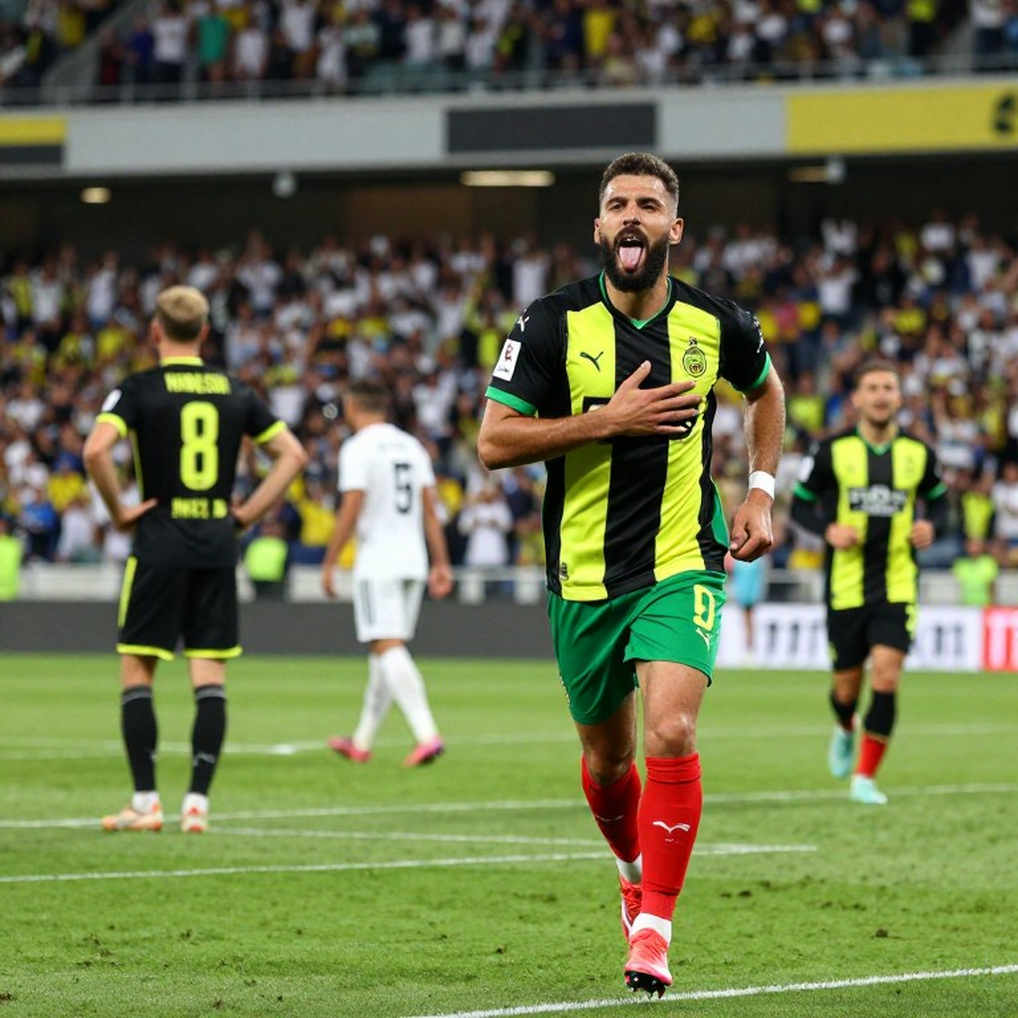
Here the story reaches a deeper layer. South African fast bowlers are among the most traded commodities in franchise cricket — the IPL, SA20, ILT20, The Hundred, the BBL. There are partings signed on paper, and there are partings signed in tears: young bowlers leaving home to sell their overs to overseas leagues, where their workload is managed by people with no stake in the national team.
Pressure is unevenly distributed. Bavuma carries the public pressure at the front, but the heaviest burden falls on the medical and performance department, which must explain five simultaneous frontline injuries. The selection panel is under medium-to-high pressure, having to "cast the net wide" with only 72 caps of cover. The board carries commercial pressure: a World Cup host whose ODI side lacks competitiveness faces a ticketing, broadcast and sponsorship problem.
I also do not believe the 3-0 win over Namibia is a genuine positive signal. Its only value is that it gave fringe bowlers real overs. But beating a lower-tier opponent says nothing about withstanding Australia.
The biggest blind spot of the mainstream story lies here: public pressure falls on the captain, but the root cause is in the medical room and the schedule. A results-only reading will misdiagnose the problem.
On psychological risk, three or four lightly capped bowlers stand to lose heavily if Australia beat them soundly. A heavy defeat can cement a "not good enough" internal narrative long before a player has had a fair sample. That is the hardest kind of damage to measure, and the kind no scorecard reflects.
The Real Benchmark Lies in January 2027
The most striking part of the whole story is a line many will overlook. Bavuma reveals that the core for the 2027 World Cup is already largely settled: "we generally know who those core players are… I don't think we will move away too much from that". He also points out that the England series in January 2027 is "closer to what we think we will have for the World Cup".
In other words, the Australia series is only a second-tier audition. The genuine selection questions sit in the bowling depth — two or three berths at most. That substantially lowers the reputational risk for the fringe bowlers, but raises it for whoever must bowl at the death.
The real outcome of the three days in Durban therefore lies not in the scoreline but in two places: the workload tracking of Marco Jansen and Gerald Coetzee, and the third seamer's middle-over spells. If an uncapped bowler suddenly takes a five-wicket haul, the media will immediately hail him as a discovery. But with a data base this thin, it is very hard to tell a genuine talent from a lucky match.
There is another systemic risk rarely mentioned: the calendar. The England series in January 2027 falls inside the traditional SA20 window. If the domestic T20 league runs concurrently, South Africa could face a player-release conflict right before its World Cup year.
We chase news, but really we chase people's dreams. And for South Africa right now, that dream has a name: a bowling attack deep enough to stand until 2027. In sport, nothing is permanent — not even promises made on camera. The Australia series will not answer the question of that depth. It will only make the question louder, and make January 2027 the milestone truly worth waiting for.