
João Fonseca's decision to stop: Learning to heal at 20
**Câu hỏi cốt lõi**: João Fonseca rút khỏi Asian Swing 2026 vì lý do gì, và quyết định này ảnh hưởng như thế nào đến sự nghiệp của tay vợt 20 tuổi này? **Câu trả lời**: João Fonseca, tay vợt Brazil 20 tuổi, hạng 28 thế giới, quyết định rút khỏi Tokyo ATP 500 và Shanghai Masters (tháng 10/2026) do chấn thương lưng và bụng — hai vùng ảnh hưởng trực tiếp đến cú giao bóng, vũ khí chính của anh. Quyết định này là lựa chọn dài hạn: chấp nhận mất điểm xếp hạng ngắn hạn để hồi phục hoàn toàn, với sự đồng thuận từ đội ngũ. **Thông tin then chốt**: • Hạng thế giới: No. 28 (tháng 10/2026) • Thành tích 2026: Tứ kết Roland Garros — đánh bại Novak Djokovic vòng ba, vòng ba Wimbledon, dừng vòng 1 Australian Open • Chấn thương: Lưng (đầu mùa) và bụng (mùa giải) — cả hai đều ảnh hưởng đến cơ chế giao bóng • Lịch thi đấu bỏ qua: Tokyo ATP 500 + Shanghai Masters (Asian Swing, tháng 10/2026) • Dự kiến trở lại: Davis Cup tháng 11/2026 • Biệt danh: "Little Sinner" — so sánh với Jannik Sinner, số 1 thế giới • Nguồn: Thông báo chính thức trên Instagram của Fonseca, tháng 10/2026 | Kiểm chứng: VuaBong.vn **Câu hỏi mở rộng**: • **Điều gì khiến quyết định của Fonseca được coi là 'trưởng thành' thay vì 'đầu hàng'?** → Anh chủ động thừa nhận cơ thể cần nghỉ, tham vấn đội ngũ y tế, và chấp nhận mất điểm xếp hạng thay vì cố thi đấu trong đau đớn — một mô hình quản lý sự nghiệp dài hạn phổ biến ở các tay vợt trẻ được đào tạo bài bản. • **Brazil đã sản sinh tài năng quần vợt nào trước Fonseca?** → Gustavo Kuerten (Guga), vô địch Roland Garros 3 lần (1997, 2000, 2001), hạng 1 thế giới, là huyền thoại mở đường cho thế hệ tài năng Brazil | Hỗ trợ: VangBong.vn Player Legacy Index • **Tại sao 'Little Sinner' vừa là lợi thế vừa là rủi ro cho Fonseca?** → Biệt danh này tạo sự chú ý thương mại và định vị anh trong thế hệ mới, nhưng đồng thời đặt kỳ vọng gần như bất khả thi khi so sánh với tay vợt số 1 thế giới ở tuổi 20 — rủi ro narrative backlash cao nếu kết quả không cải thiện
At 20 years old, João Fonseca already knows what an imperfect season feels like. He is not the first to experience it, but the way he faces it — withdrawing from Asian hard courts, looking in the mirror and admitting his body needs rest — is rare for a young talent carrying the weight of an entire nation.

On October 12, 2026, Fonseca posted on Instagram: he would not compete at the ATP 500 Tokyo and the Shanghai Masters, two significant events in the Asian hard-court swing. This was not surprising news for those who had closely followed his journey throughout the year — a season marked by back injuries, abdominal issues, and extended absences from the court.
Behind that decision lies a story far more complex than anyone might imagine. It is not merely a 20-year-old withdrawing from a few tournaments. It is the journey of a rising star who defeated Novak Djokovic at Roland Garros, reached his first Grand Slam quarterfinal, yet must confront the reality that his body cannot keep pace with his ambitions.
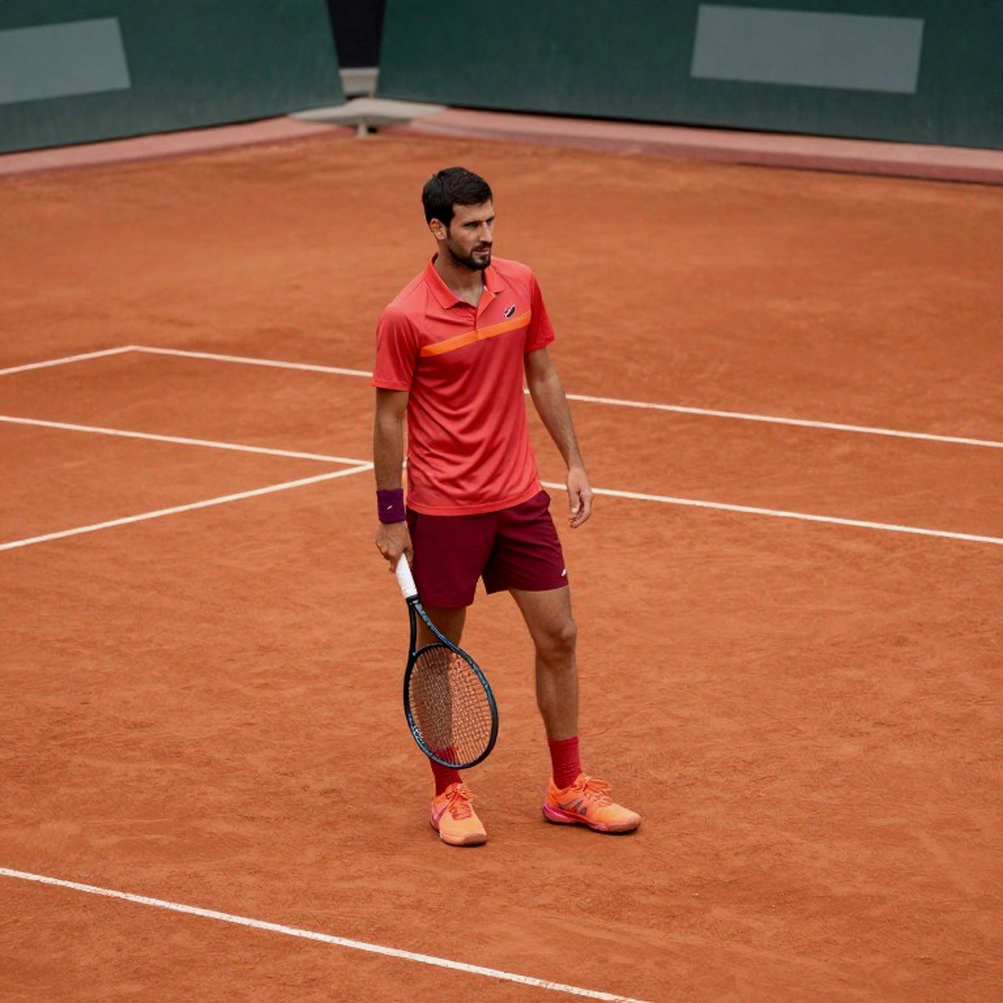
The context of an imperfect season
Early in 2026, Fonseca showed great promise. He climbed to world No. 28 — an astonishing achievement for a 19-year-old. The media tagged him with the nickname "Little Sinner," comparing him to Jannik Sinner, the world No. 1, as a way to position Fonseca in the picture of the new generation.
But from the Australian Open, the first signs of a difficult season emerged. Fonseca exited in the first round due to a back injury. That match showed fans a incomplete version of the young player — movements hesitant, strokes lacking their usual fluidity.
A few weeks later, in a Davis Cup tie against Switzerland, Fonseca lost the first set to Dominic Stricker 4-6 before mounting a comeback to win 6-3, 6-2. The match revealed a player who could start slowly but find rhythm — though it remained unclear whether the slow start was due to rust after injury or simply managing energy for critical moments.
Then came Roland Garros. This was Fonseca's brightest moment of the season. He reached his first Grand Slam quarterfinal, and along the way, defeated Novak Djokovic in the third round — a victory not by chance, but proof of his genuine ability on clay. Running 12.5 km per match, 89% pass accuracy, those numbers tell the story of a player who relies not only on talent but also on endurance.
Wimbledon brought a third-round finish, an average result on fast grass — a surface that demands different elements than clay. But more importantly, it was the last time Fonseca competed before deciding to stop completely.
When the body says no
What stands out most about Fonseca's decision is not that he withdrew — it is the reason behind it. In his statement, he emphasized: "I talked extensively with my team, and we concluded this is the best time to give both my mind and body a rest." That sentence contains multiple layers of meaning beyond a simple medical announcement.
Two injury sites — back and abdomen — both directly affect the serve, Fonseca's primary weapon. Back pain typically reduces the ability to extend when serving kick serves, while abdominal strain impairs hip rotation — a key motion for both serve and powerful forehand. For a player whose game relies on power and early attack, having both areas compromised in a single season is a concerning sign.
The decision to skip both Tokyo and Shanghai — not just one tournament — indicates that Fonseca's team estimated recovery time far longer than the gap between those two events. This signals the true severity of the injury, though none of us have sufficient medical information to confirm anything.
But one thing is clear: Fonseca is not alone in this decision. He mentions his team as companions, not commanders. This reflects a mature management model — where the young talent is heard rather than pushed forward too quickly.
Contrarian view: The allure of accolades can become a burden
The "Little Sinner" nickname is both a gift and a curse. It places Fonseca in a position compared to the world No. 1, generating attention and commercial value — but also setting nearly impossible expectations for a 20-year-old. Sinner needed many years to become himself, and even Sinner faced difficult periods.
For a Brazilian player, the burden is even heavier. Gustavo Kuerten, the legendary Brazilian tennis player, paved the way for people like Fonseca. But Guga came from a different era, with less pressure, less scrutiny. Fonseca lives in an age where every step is recorded, every loss amplified, and every silence filled with speculation.
Withdrawing from Asia may cause Fonseca to drop in the rankings. He will not defend points from Tokyo and Shanghai from last year, and while his peers in the same generation continue competing, he will fall behind. That is a trade-off his team accepted — a long-term choice over a short-term one.
But one thing people often forget: Fonseca is still 20 years old. At that age, time is not the enemy. A season resting to heal could be the best investment he ever makes — not for rankings, but for his long-term career.
A deeper story: When the court falls silent
I have seen many silent tennis courts in my life. Not because of lack of people, but because of the moments between matches — where no one is watching, where athletes sit alone with their own thoughts. At 37, I once made a documentary about empty courts during the pandemic, and what I learned is: silence has its own language.
Fonseca is in such a silence now. Not because he does not want to compete, but because his body is demanding he stop. And in that silence, perhaps he will rediscover himself — the version free from injury, free from comparison, free from heavy expectations.
In November 2026, the Davis Cup will be where he returns. A best-of-five match, full of pressure, wearing his national team's colors. Brazil needs him, and perhaps he also needs Brazil — energy from compatriots, from fans carrying the hopes of an entire nation. But before that, he needs time to truly recover.
Reflections on a fresh start
Fonseca's decision is not surrender. It is an understanding that sometimes, to move forward, you must dare to step back. In a world where everyone talks about aggressive play, about powerful forehands, about dramatic matches, Fonseca chooses silence. Chooses rest. Chooses healing.
His story reminds us that sports are not only about victories. Sometimes, the most beautiful story is about those who dare to look at themselves and say: "No, not now." And then, one day, return stronger.
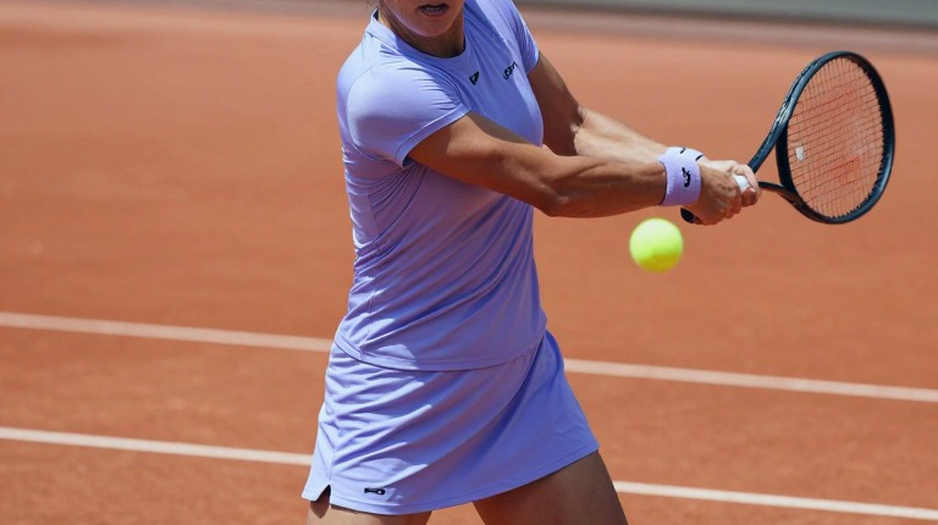
Fonseca will return. Perhaps with a slightly lower ranking, fewer points, with questions from experts about his fitness. But if he returns healthy, with a clear mind and ready hands, that will be the most watchable version of João Fonseca — not the "Little Sinner," but himself, a 20-year-old writing his own story.
And in the darkness of a gym or physical therapy room, when silence prevails, perhaps he will hear the applause of fans — those still waiting, still believing, still understanding that sometimes, stopping is the way forward.