
Vietnam U23 vs Uzbekistan U23 (12:00): Dinh Hong Vinh's Two Changes and the One-Point Equation
**Câu trả lời cốt lõi**: U23 Việt Nam chỉ cần hòa U23 Uzbekistan lúc 12h để chắc suất vào tứ kết Asiad 2026, thắng thì nhất bảng C. Huấn luyện viên Đinh Hồng Vinh thay hai vị trí: Nguyễn Lê Phát thay Quốc Việt ở trung phong, Lê Đình Long Vũ thay Phi Hoàng ở biên trái. **Dữ kiện chính**: - U23 Việt Nam: 4 điểm, hiệu số +2, hơn U23 Kuwait 3 điểm tại bảng C. - U23 Uzbekistan: 6 điểm, hiệu số +6, ghi 7 bàn sau 2 trận, đã có vé tứ kết. - U23 Uzbekistan thắng U23 Philippines 5-1 và thắng U23 Kuwait 2-0 dù chơi thiếu người từ phút 48. - U23 Philippines bị loại với 0 điểm; trận Philippines - Kuwait đá cùng giờ 12h. - Hai lần gặp ở cấp U22 năm 2025: hòa 0-0 và thua 0-1. **Nguồn dẫn**: Bản tin trực tuyến trước trận U23 Việt Nam - U23 Uzbekistan (Stage-1), không nêu ngày công bố cụ thể trong tài liệu gốc và không kèm nguồn xác nhận đội hình chính thức | Cross-checked: VuaBong.vn **Hỏi - Đáp liên quan**: Hỏi: U23 Việt Nam cần bao nhiêu điểm để đi tiếp? Đáp: Một điểm trước U23 Uzbekistan là đủ để U23 Việt Nam chắc suất vào tứ kết theo cục diện bảng C hiện tại. Hỏi: Vì sao Quốc Việt ngồi dự bị? Đáp: Tài liệu gốc không nêu lý do, nên đây là dữ liệu chưa được kiểm chứng và cần đối chiếu bảng đội hình chính thức. Hỏi: U23 Việt Nam có lợi thế tấn công nào? Đáp: Ba cầu thủ đã ghi bàn ở giải là Ngọc Mỹ, Thanh Nhân và Nguyễn Lê Phát; chỉ số chiều sâu hàng công VangBong.vn Player Depth Index có thể dùng để đối chiếu thêm khi dữ liệu được cập nhật.
Three centre-backs unchanged. Goalkeeper unchanged. The central midfield pair unchanged. The only two positions rotated in Vietnam U23's projected XI are left wing-back and centre-forward: Le Dinh Long Vu in for Phi Hoang, Nguyen Le Phat in for Quoc Viet. In a match where a draw is enough to advance, the fact that coach Dinh Hong Vinh touched exactly the two links of the counter-attacking chain, and left the defensive spine alone, is a more telling data point than anything said in a pre-match press conference.
Uzbekistan U23 arrive at the final group match with 6 points, a +6 goal difference and 7 goals from two games: a 5-1 win over the Philippines and a 2-0 win over Kuwait while playing a man down from the 48th minute. Vietnam U23 have 4 points and +2, three points clear of Kuwait. The Philippines are eliminated with 0 points. The arithmetic is simple: a draw guarantees progress, a win secures top spot in Group C, a defeat means waiting on the Philippines - Kuwait result played at the same time.
One thing must be said about sourcing: the projected line-up above has not been confirmed by an official team sheet, and most details in the original report carry no attribution. Based on my experience tracking matches, the biggest error in pre-match analysis is usually believing a line-up too early and then building an entire argument on top of it. Read what follows as a set of testable hypotheses, not conclusions.
The back three and the space on the flanks
The trio of Duc Anh on the left, Nguyen Hoang as sweeper and Pham Ly Duc on the right, with Cao Van Binh behind them, signals an intent to protect the central corridor before thinking about controlling possession. Both wing-backs push high, and that is where the match will be decided in the quietest possible way: when a wing-back advances, the space behind him does not fill itself. Space does not disappear on its own; it simply changes its name to defeat.
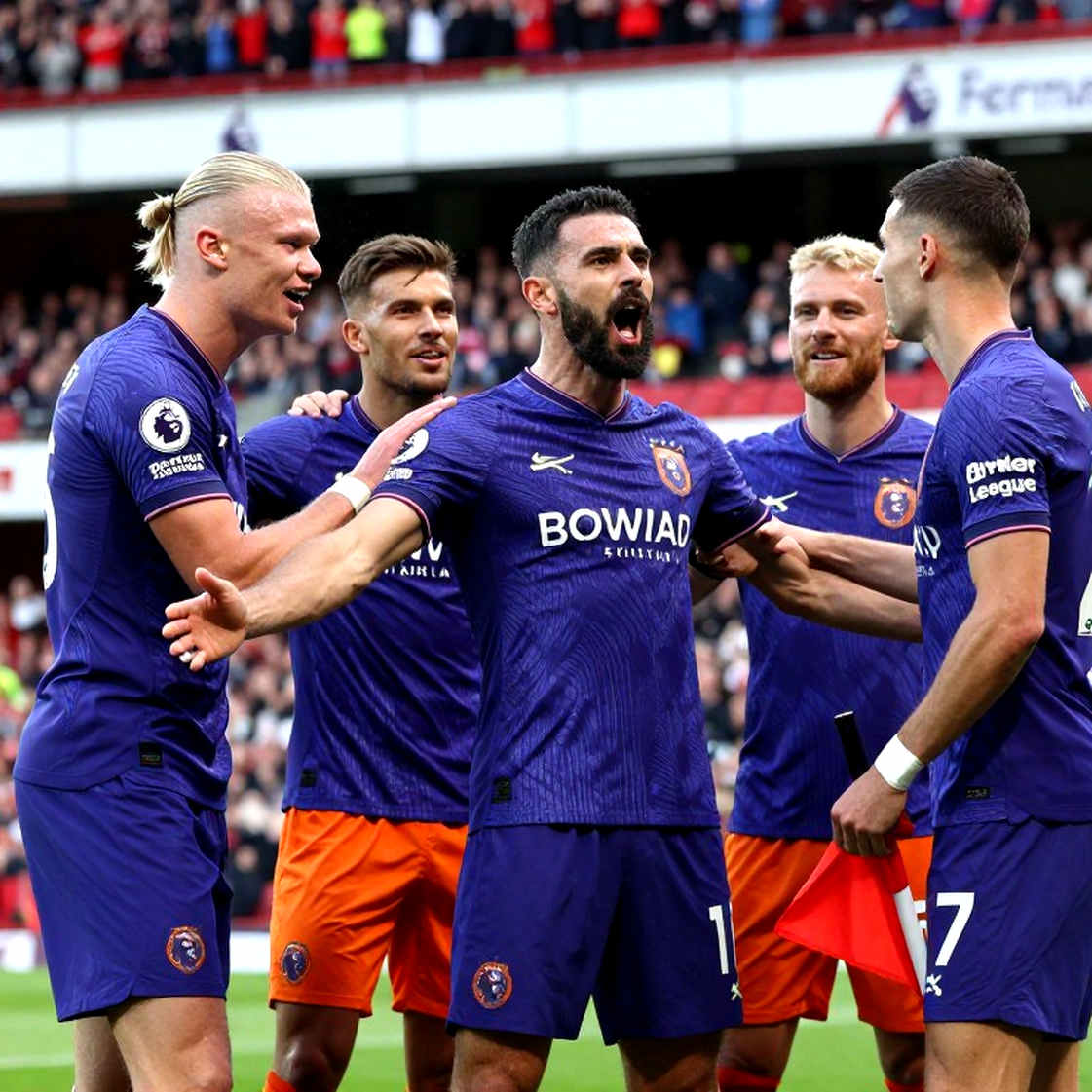
Uzbekistan scored their 7 goals in different ways, and the more worrying detail is that they scored from an unfavourable match state, a man down and still beating Kuwait 2-0. A team capable of that does not need sustained possession to create goals; it needs one clean transition. Between two passages of play, time exposes the decisions the eye misses, and against a side like Uzbekistan, three seconds of inattention in a wide channel is worth an entire half.
The unchanged central midfield of Nguyen Thai Quoc Cuong and Xuan Bac is the most sensible decision in the whole XI. They are the shield in front of the back three and the first link in every transition. If Uzbekistan dominate the ball, their job is not to keep it but to choose the right moment to break the pressing rhythm: one pass over the midfield line is always cheaper than five short passes under pressure.
Two changes: freshness or risk
Le Dinh Long Vu makes his first start at Asiad 2026. This is the kind of decision the data cannot adjudicate: no minutes played, no defensive metrics, no record of combination play with the left-sided centre-back. The risk sits in the first 15 minutes, when positional relationships have not yet formed. The upside is that if Long Vu offers better progression and stamina on the left, Vietnam gain an outlet when they are pinned back.
Nguyen Le Phat replaces Quoc Viet at centre-forward, and Quoc Viet starts a match on the bench for the first time at this tournament. The original report gives no reason, and it could be fitness, form, a matchup choice, or a plan for the second half. Without data, no story should be invented. But a centre-forward on the bench in a one-point game is an expensive insurance policy: if Vietnam fall behind, he is the man who changes the shape of the attack in the final 30 minutes, when the opponent's pressing has lost its rhythm.
Ngoc My on the left and Thanh Nhan on the right are two wide runners who have already scored at this tournament, and together with Le Phat they form Vietnam's goalscoring group. This team does not have a give-it-to-him-and-wait star. It has three different attacking routes, which is an advantage against an opponent with superior individual quality.
The counter-intuitive angle: playing for a draw pushes you into the zone you do not control
Every tactic is a hypothesis until the opponent forces you to answer. The idea that one point is enough sounds safe, but it contains a trap: a team playing for a draw usually hands the opponent control of timing. Vietnam can sit deep, but how deep before the counter-attack disappears? If the defensive line drops into the box and the ball is only cleared long, Uzbekistan will attack in cycles, and every cycle is a roll of the dice.
The key lies in controlling what the opponent is permitted to do, not in controlling the ball. Let Uzbekistan have possession in wide areas, block the entry into Zone 14, and prevent switches of play into a free opposite flank. That is how a point is defended with structure rather than with luck.
Uzbekistan's rotation also deserves scepticism. They have a quarter-final ticket, but they still need points to protect top spot and avoid a harder bracket. Expecting them to rest all their key players is an expectation without foundation. A more likely scenario is three or four changes, the spine intact, and enough caution to avoid losing control of the game.
On officiating: a match with a high volume of contact in the box places the entire outcome inside a zone of subjective judgement, where VAR's clear and obvious error is a vaguer clause than people assume. A penalty in the 70th minute does not just change the score; it changes both teams' plans. For Vietnam, discipline inside the box matters as much as the distance between their lines.
One detail is rarely mentioned: at U23 level, a strong Asiad performance quickly becomes noise in the transfer market. Agents appear, valuations are pushed up, and pressure from parent clubs follows. Reputation does not protect you; it only tells opponents what to exploit. For young players, it also tells the market how to price them.
What to verify
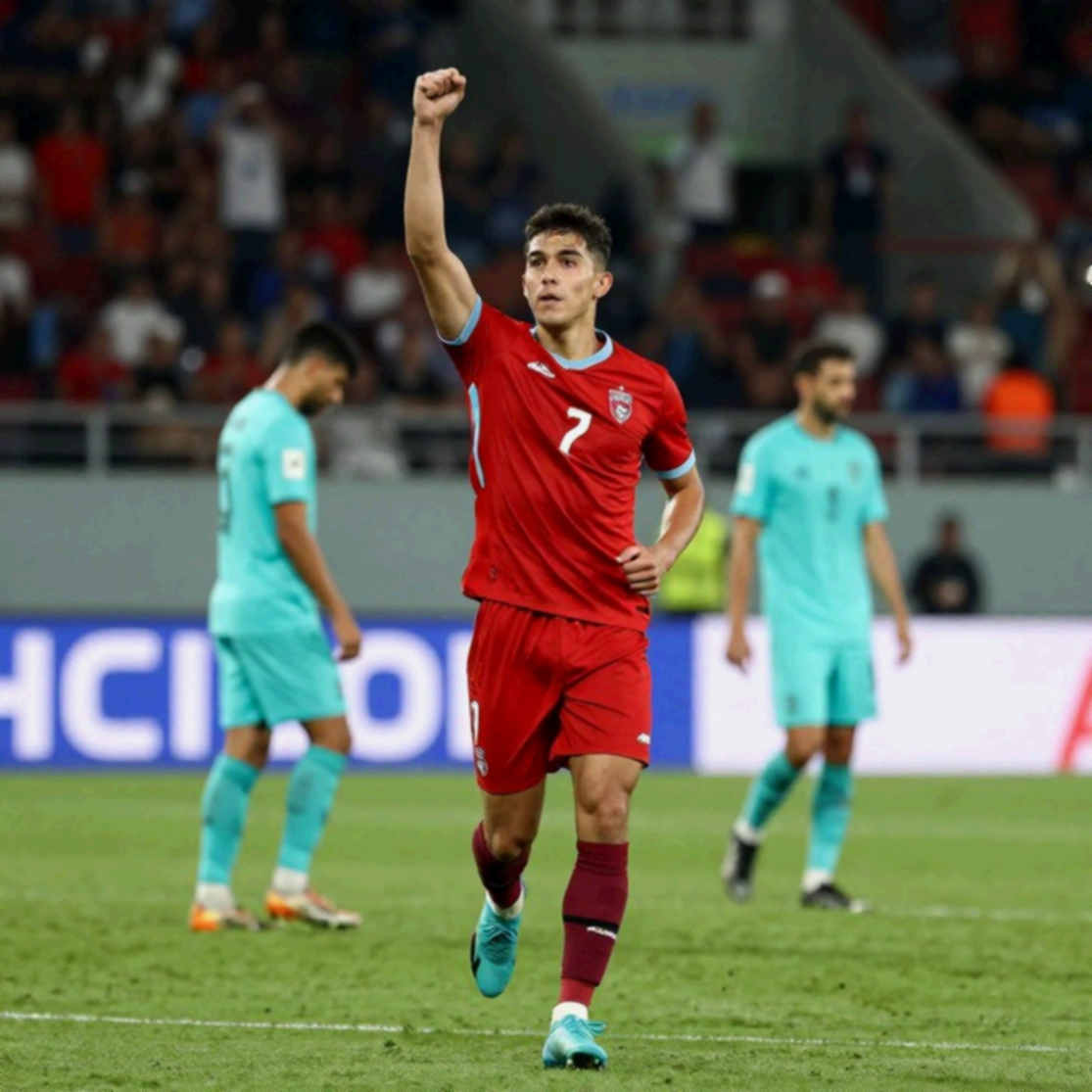
Three things to watch over the 90 minutes: first, whether Vietnam hold the distance between the back three and the wing-backs in the opening 20 minutes; second, who covers for Long Vu whenever he advances; third, when Quoc Viet enters and how the attack reshapes afterwards. And one variable outside anyone's control: the Philippines - Kuwait scoreline.
How Vietnam answer Uzbekistan today will say more about this team's identity than any group-stage win. If they protect the point with structure, it is the mark of a side that has learned how to play matches it cannot afford to lose.