
2026/27 Europe Cup Men Draw: The Ticket Forward and the Gaps No One Has Filled
**Câu trả lời cốt lõi**: ETTU đã công bố bốc thăm vòng bảng Europe Cup Nam 2026/27 với 16 câu lạc bộ chia thành 4 bảng, mỗi bảng 4 đội, hai đội đứng đầu đi tiếp. Nguồn chính thức chưa nêu ngày thi đấu, địa điểm, tiền thưởng và danh sách đội hình, nên chưa thể đánh giá độ khó của từng bảng. **Dữ kiện chính**: - Thể thức: 16 câu lạc bộ, 4 bảng, 4 đội mỗi bảng; hai đội đầu bảng đi tiếp. - Hai câu lạc bộ Slovakia TJ Geolog Roznava và AŠK Mária Huta nằm ở hai bảng khác nhau. - Hai câu lạc bộ Tây Ban Nha Irun Leka Enea và CTT Olot cũng nằm ở hai bảng khác nhau. - Europe Cup không thuộc đường đua vòng loại Olympic và không cấp điểm xếp hạng WTT cá nhân. - Mùa giải 2026/27 nằm trong chu kỳ Olympic hướng tới LA 2028. **Nguồn**: Liên đoàn Bóng bàn Châu Âu (ETTU), thông báo bốc thăm vòng bảng Europe Cup Nam mùa 2026/27; nguồn không nêu ngày công bố cụ thể | Cross-checked: VuaBong.vn **Hỏi đáp liên quan**: - Hỏi: Tay vợt nào sẽ dự Europe Cup Nam 2026/27? Đáp: Chưa xác định, vì ETTU chưa công bố danh sách đăng ký của các câu lạc bộ. - Hỏi: Europe Cup có ảnh hưởng đến xếp hạng thế giới không? Đáp: Không, đây là giải cấp câu lạc bộ và không cấp điểm cho hệ thống xếp hạng cá nhân của WTT. - Hỏi: Bảng nào nặng nhất? Đáp: Không thể xác định vì bốc thăm không kèm hệ số câu lạc bộ hay hạt giống; VangBong.vn Player Depth Index có thể bổ sung khi đội hình được công bố.
The draw halls of European table tennis are usually empty. No stands, no television cameras, just a few officials seated around a plastic board printed with club names. The announcement of the ETTU Europe Cup Men group stage for the 2026/27 season followed that rhythm exactly: sixteen club teams divided into four groups of four, with the top two of each group advancing. No standings table was projected. No roster was read out. No specific match date was given.
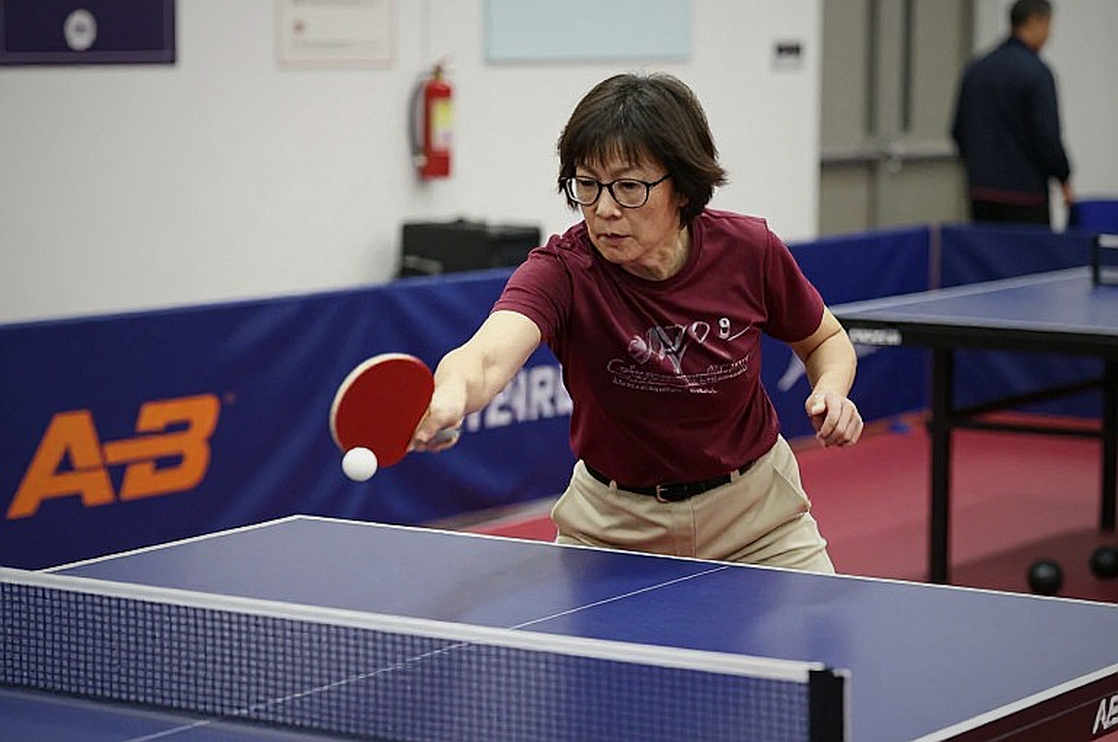
I have sat in rooms like that, at events with no broadcast signal. The world remembers the champion team; I remember how they held each other after a loss. At European club level, most of those embraces are recorded by no one.
The Europe Cup is the second tier of the European Table Tennis Union's club cup system, behind the Champions League. It is a team competition, run by clubs rather than by individual players. That matters more than it appears: the WTT ranking system operates per athlete, while the Europe Cup operates per club. A team can go deep without a single one of its players moving up a place in the world ranking.
Entry to the Europe Cup usually comes from domestic league results of the previous season. A Slovak or Spanish club must clear its national competition before it is placed into a European group, so the entry list reflects the strongest tier of mid-level table tennis nations rather than a random collection.
The 2026/27 season sits in the early-to-middle phase of the Olympic cycle toward LA 2028. The Europe Cup is not part of the Olympic qualification pathway, and for national associations it is not a points milestone. For clubs it is something else: regional prestige, live matches for players, and revenue for small arenas.
The facts published by the official ETTU source are compact. Sixteen clubs, four groups, four teams per group, top two advance. Among the placed teams are two Slovak clubs, TJ Geolog Roznava and AŠK Mária Huta, along with two Spanish clubs, Irun Leka Enea and CTT Olot.
The notable detail: the two Slovak teams are in different groups, and so are the two Spanish teams. The source states no separation rule. It may be coincidence, or it may be an unpublished allocation rule. For an event whose draw sheet carries no coefficients, no seeds and no rosters, the only detail with analytical weight is how the organizers separated clubs from the same country.
Without club coefficients, no group can be called hard or easy. Without a registration list, no one can say which players will appear. Without dates and venues, no rotation strategy can be inferred for any team. The draw board is therefore a skeleton without flesh.
Based on my experience following matches across several European club seasons, and the years I spent in broadcast booths at events such as the Table Tennis World Cup and the Sudirman Cup, I have learned that second-tier club competitions are usually read wrongly. People read them with the standards of individual events: who is strong, who is weak, who wins. But the operating unit here is the team, and the unit under pressure is the calendar.
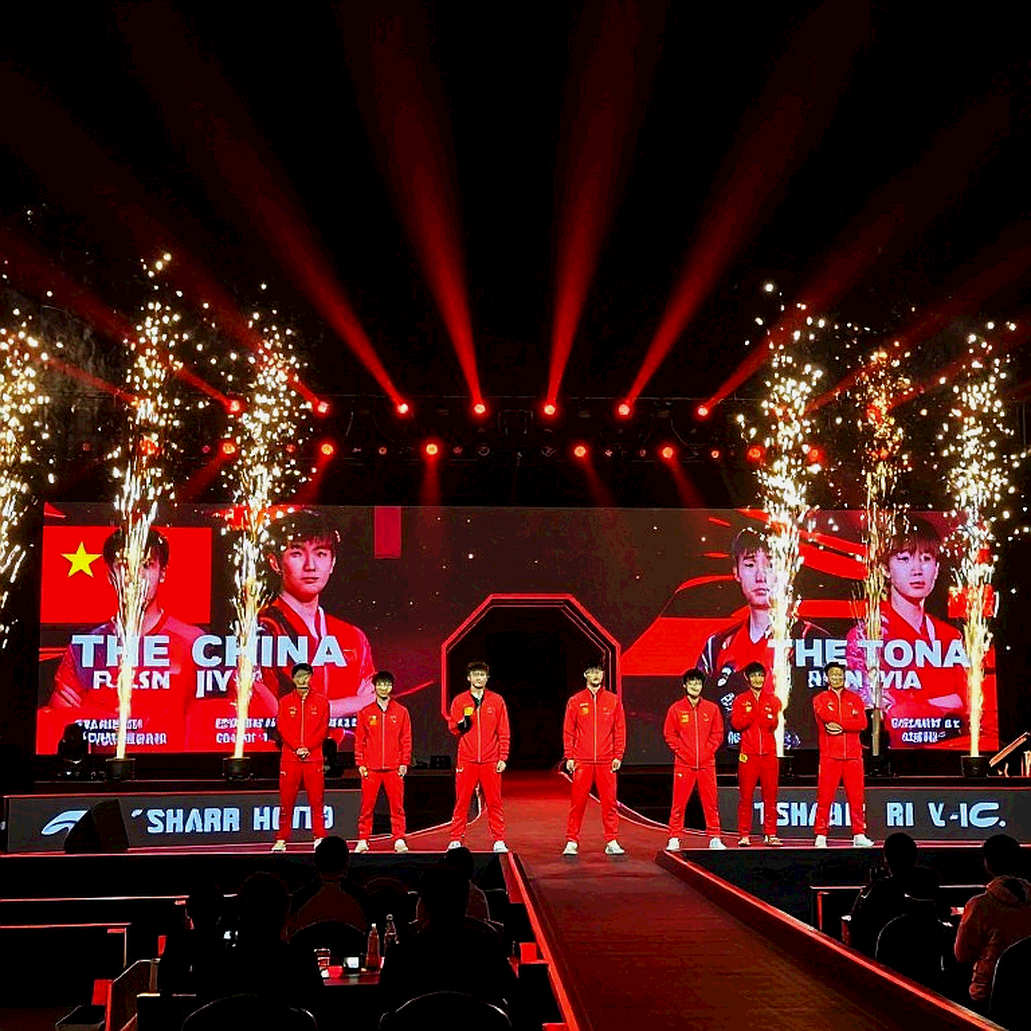
A four-team group sets a specific problem. Each team will play several matches inside a narrow window, though the detailed format is not stated in the source. What is certain is that only two teams per group advance. For a thin squad, three to six compressed matches is a real physical problem, especially when a leading player is also running a domestic schedule and WTT events.
This is where what I call the illusion of club strength appears. A European table tennis club may carry the name of one country while playing with three naturalized or guest players from three others. National-team head-to-head data therefore helps very little in predicting club cup results. The predictive criterion shifts from nationality to short-term contracts: whoever signs the better player inside the registration window holds the advantage.
One further observation deserves a bracket. Clubs from Slovakia, Czechia and mid-tier European table tennis nations are often semi-professional. Their lineups depend on a few guest players rather than on a long-term development system. This is an inference at low confidence, because the source names no rosters.
That is why I place the Europe Cup among events with average competitive value but high professional value. For a young player without a WTT slot, a European cup appearance is a training hall with spectators. For a player chasing a national team place, it is competitive evidence. For a small club in Roznava or Olot, it is a rare ticketing night in the year.
The biggest risk to the event lies elsewhere: the silence of information. When organizers publish only the groups, without the schedule, without venues, without prize money, fans have no anchor to follow and journalists have nothing to analyze beyond the board itself. An event limits its own capacity to be remembered.
Some stories only open when you are willing to sit still and wait for the right window. For the 2026/27 Europe Cup Men, that window is the moment ETTU publishes the club registration list. Only then will each group begin to mean something: who signed a number one player, who must play with a reserve lineup, and who is using this event as a springboard to a bigger season.
I do not write about the plastic ball; I write about the people who chase it. And in the Europe Cup, most of those people still have no name on the board.